Skip to content

Category: Uncategorized

Tasting Peas

“Taste and see that the LORD is good. How happy is the person who takes refuge in him!” (Psalm 34:8, CSB).

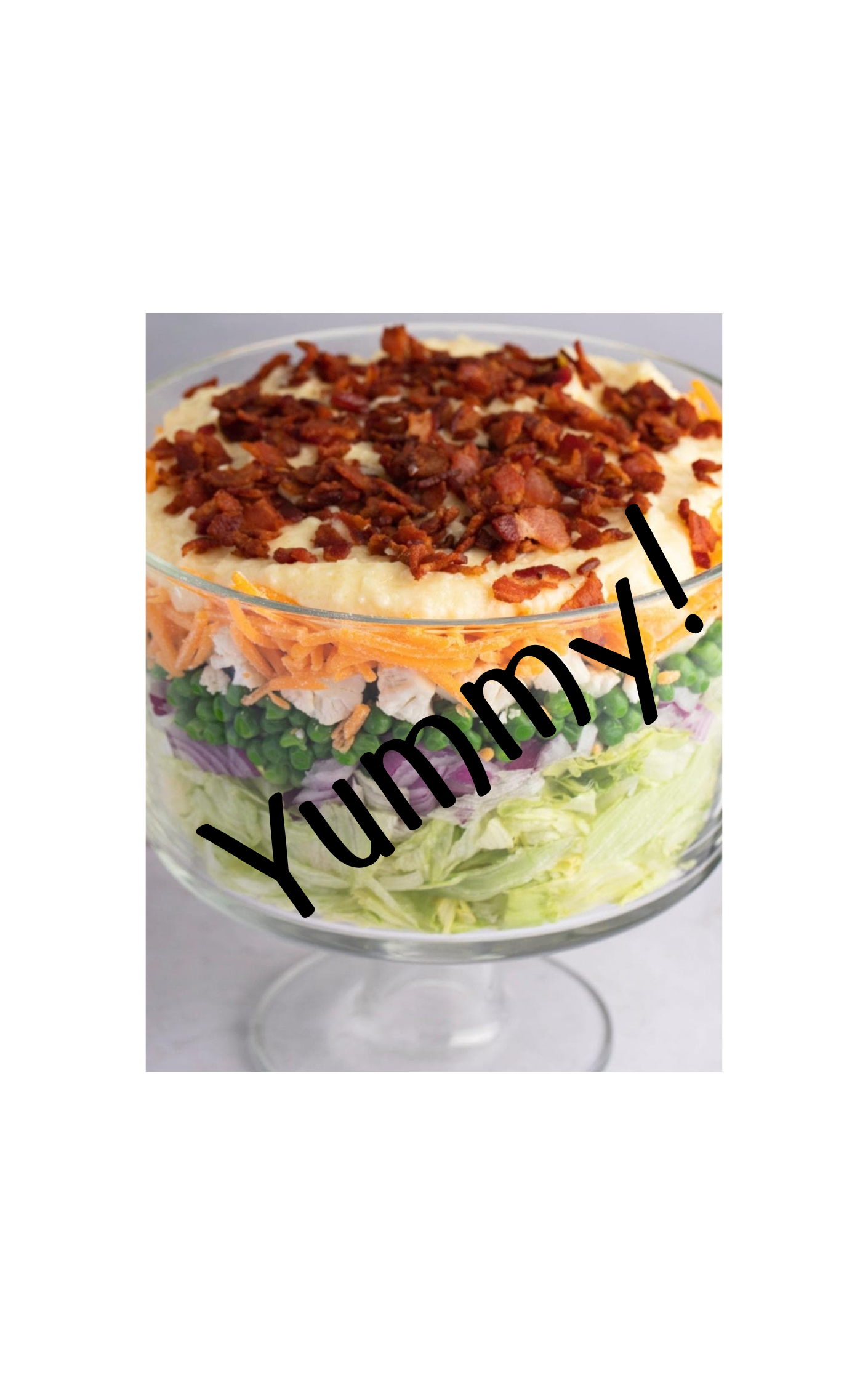
That’s an invitation and a challenge to trust the Lord with our lives and livelihoods. But the verse causes me to think of peas. A little butter, and I like them hot, but we’re having a 7 – 9 layer salad for supper tonight. Start with the iceberg lettuce. Add the celery, red onion, shredded cheddar and chopped cauliflower and mayonnaise based dressing. Add the crispy (but not overcooked) bacon and frozen peas last. It’s prettier that way. Yum!

It was a 7 layer salad that converted me from pea hater to pea lover. I remember how peas elicited my gag reflex from the time I was about five until sometime in my early twenties. Had you asked me to eat peas when I was seven years old, or to taste even a spoonful, you would have either given up or faced a battle of wills and lost. Had you persisted long enough or tried to force me, you might have been spat upon.

The story of my conversion: I scooped up the two spoonfuls of salad from a potluck line. Being the first to take from the dish, of course I noticed the bacon and cheddar cheese. The bright green peas, however, hadn’t caught my eye. When I saw the first one, I didn’t want to appear rude or uncouth, so I used my fork to maneuver it to the edge of my plate.

Then I saw another and another and another. Enjoying that salad soon became work, and the other women were beginning to notice. A pea fell from my fork with the next bite. Good. One less. I took the next bite almost as if suffering for a cause. Whoa. I didn’t gag. Another bite, peas and all, and another. This is good.

It wasn’t the peas alone that made the salad tasty and memorable for me. It was the combination, but I almost let the sight of a few tiny peas rob me. Decades after my twenties, I still love a 7-layer salad. (Hint: Dry the lettuce and don’t use too much mayonnaise. Otherwise, it gets soggy.) I’m writing about this today to show what a milestone this was for me.

I was excited to tell my mother, “I actually like peas now!”

Peas were never ugly. That was not my complaint. Any child can see they are a beautiful shade of green—and lovelier than a green been or celery or spinach. After talking with friends who were once seven, it might have been a texture thing, and while I can’t be sure, most of us had experienced some lukewarm peas along the way. Those little things fall to room temp within a few minutes of being dropped on a cool, dinner plate. Yuck. Either hot or cold! Essential. I could cite another Bible verse that brings peas to mind, but not right here. Not today, but does anyone else suspect that Jesus might have tasted lukewarm peas?

A few facts about peas:

  • Peas are high in fiber.
  • Peas are a great source of plant-based protein.
  • Peas contain natural sugar, but are filling, making then a good diet food.
  • Scientists have said that the balance of protein, fiber and sugar in peas is perfect. Plus, peas contain just about every other vitamin and mineral we need for daily health.
  • Telling a child to eat their vegetables and then putting peas on their plate, is technically deceitful. Peas are actually a legume, a bean. Oh that my mother would have told me they were candy and served them from the freezer.

If it seems like I’m singing the praises of this amazing God-created food, I’m not. I’m singing the praises of the God who gifted them to us!

But here’s the thing: I can read about the nutritional value of peas in science books or watch the videos and learn the facts. I can study physiology and nutrition until I’ve earned a PhD. I can teach others and tell others to eat their peas. I can cultivate, even grow peas and teach farmers to grow peas. I can buy peas—in the produce section, the frozen food section or canned food aisle. OH! And I can do observational research from my kitchen at home, testing what recipes work best for my family and what pea recipe is certain to pass the church potluck test. Yet, if I only serve peas, and don’t eat them, will they give me nourishment?

(Check out 1 Corinthians 13 for the answer to that question.)

But the palmist isn’t talking about peas. He is telling us to prove something … more accurately, to let the Lord prove something. So, what does the psalmist mean by “taste?”

The answer to that question is clear when we read Chapter 34 in its entirety. The psalmist tells us that the Lord observes the evildoer and the righteous one. He encourages us to bless the Lord, to always have praise on our lips, to boast in the Lord, to be humble and glad. He tells us to seek the Lord when we are afraid, and that He is our rescuer.

The Lord isn’t lying, and the psalmist isn’t telling us to swallow anything hook, line and sinker. He’s telling us to trust and taste—and he’s reminding us that the Lord is good and true to His promises. But we’ve got to taste before we can see.

Got any good recipes that include peas? I don’t know about you, but I need to be eating more peas.

A 7 (maybe 9) layer salad, heavy on the bacon, cheese and peas, makes a pass the tongs and loosen the belt buckle good meal. Have you tried adding pecans? I’m out of mayonnaise, but it’s worth an extra trip to the grocery store.

1 Comment

The Typo

The word “form” is one of those words I search for and find nearly every day as I write. It’s a typo. I type f-o-r-m instead of f-r-o-m. After 30 years of nursing, my fingers have muscle memory from typing the word “form” hundreds of times more than the word “from.”

It’s one of those subtle mistakes that my eyes want to skip over. My brain transposes the letters R and O. I recoil a bit each time I see that particular typo. The word “form” bugs me. It creates an extra step as I self-edit my writing. It’s annoying! But the word prompt for last week was “form,” in the context of transFORMation, the larger concept—the acronym.

Completing forms was part of every one of my nursing jobs, but the forms multiplied once I became a clinical research coordinator—forms to complete while interviewing patients, forms reporting patient symptoms and problems, forms to complete even for the patients who were doing spectacularly. Forms, especially the electronic ones, were often not adequate for communicating a complex patient problem.

My job required creating forms as legal documents, including a form to track what I’d done with all the forms. Blank lines! Oh, how I love the freedom of a blank line. Oh, how I dreaded reducing what had been written on a blank line to checkboxes and numbers.

In the same way many readers prefer holding an actual book over words on a screen, I preferred a patient chart, held together with those long, and quite effective paper-binding clips. The thickness of a patient’s chart indicated the complexity of a medical history. I could adjust my schedule to accommodate the amount of data inside. Opening an electronic medical file was often surprising, for the sheer volume, and often for what was missing.

Many nurses battled that transition form paper to electronic charts, even the young ones. It transformed our methods and our order of doing things. We were slow to trust it was for the patients’ good. We knew it was not a perfect system. With the shift from ink pen to the keyboard, the number of forms multiplied at least tenfold.

It was early last week when I went for my annual physical. While the doctor had one form open on the screen, I asked him how much weight I’d lost over the past year. (I’ve been trying!) It frustrated him (and me) that he had to leave one form (the lab form) to give me an answer. Back in the day, he would have used one finger as a bookmark, flipped the tab labeled “Vital Signs,” then quickly given me an answer before returning to the divider marked “Lab Results.”

Forms!

Instead of staring a hole through my doctor, I stared at a bulletin board and waited for his answer. There, I read a notice. It said, “Please notify the nurse, prior to seeing your healthcare provider, if you have a form that needs to be completed or signed. There will be a $16 charge to complete any form without a corresponding office visit.”

Forms! Forms! And more forms! Where do all these forms come form? And what does all this talk of forms have to do with last week’s word prompt? I’m getting to it.

Without looking to Oxford or Merriam or Webster, I can tell you that to create a form is to create boundaries, and boundaries are great … depending on the creator. What matters is knowing where exactly those boundaries are needed and having the ability to place them and shape them.

Example: I got an F on my first 7th grade art project. Unlike my teacher’s declaration, yes, I could identify a rabbit in my back yard or in a book. I could pick the shape of a rabbit in a lineup of jumping animals. But the assignment was to form one from clay. And yes, I could see how some of my classmates were forming their clay, and how their ability to pull an image from their brain with their fingers was far greater than mine. Just one more reason for me to recoil at the word.

TransFORMation? Is that even possible for people like me? There are people like me, right? People who struggle to check the right boxes and write only in the allotted spaces. People for whom the answer does not appear on the form in front of them. People who appreciate the narrative more than simple numbers and empty checkboxes. People who get frustrated by checking boxes with no option to explain. People who squeeze to stay inside boundaries, or stretch to fill otherwise empty space … boundaries that, by the way, seem to apply to someone else’s more perfect specifications.

Psalm 139: 14-16 (CSB) says: “I will praise you because I have been remarkably and wonderfully made. Your works are wondrous, and I know this very well. My bones were not hidden from you when I was made in secret, when I was formed in the depths of the earth. Your eyes saw me when I was formless; all my days were written in your book and planned before a single one of them began.”

That means there’s hope for people like me. We were formed on purpose and meant to please our creator. He set our boundaries, created our shape (our form) in such a way as to make us remarkable and wonderful. He has our tomorrows planned! He has fit us with an assignment in mind. That too is according to His meticulous and unique specifications.

So, why should I recoil at the thought of the word “form?”

Many of my seasoned coworkers chose to retire rather than learn and adapt to the digital world. A single mom, I needed the paycheck. Plus, it wasn’t bad at all—once the shock wore off. For a while though, it was double the work to document a patient’s progress and double the forms. Administrators didn’t trust the system either, so we were required to fill out both paper and digital forms. It was slow-going, and the world of clinical research was slower than most other specialties.

I loved my job and could have worked as a nurse for much longer than I did. But I wanted to be a writer. Blank lines called to me. Making the change was not easy … altering my schedule, overhauling my budget. I missed walking the hospital halls and seeing patients in the office and being an advocate. I still loved being a nurse for all the reasons I had wanted to be a nurse in the first place. The noteworthy difference? I no longer needed to manage all those forms!

And that’s when I realized that fingers have such good memory. They were formed that way. A friend of mine fell recently and broke her right arm. Like most of us, she’s right-handed.  She can almost hear her right hand scoffing at her left, saying, “It’s so easy. You simply comb her hair and brush her teeth this way.” But her left hand has no such memory. Our left hands may be a mirror images of our right, but unless we are gifted and ambidextrous, they were formed for different tasks.

My friend does not need instruction to teach her left hand to perform the tasks her right hand has been doing with ease all these years. She’s practicing. She’s creating muscle memory. She’s doing therapy. Her arm is healing, but she’s struggling. She’s having to make accommodations, and settle for less, because muscle memory, with few exceptions, is a slow process. My friend’s right hand still remembers how to pick up a skillet and fry a hamburger. She doesn’t need to give it instructions. Her arm and hand have great muscle memory. But she does need to restrain her arm and wear a sling. If she doesn’t, her hand will grab that skillet and it will hurt. Without the sling, she could re-injure her arm. Muscle memory is a powerful thing.

Like my tasks as a nurse still have me tapping letters in a particular order, my eyes automatically examine, my ears love a story of healing or restoration, and my feet want to run toward a disaster and not from it. I’ve been formed, and my muscles have memory.

The only instruction we’d been given in the 7th grade about working with clay was a reminder that we’d only be given so much clay and a warning that it would harden more every day. I might have been able to do something with the project, but I kept putting it off. Discouragement set in. No matter what, that blob of gray clay appeared to be someone else’s discard. Dried up and hardened more every day. And then it was too late.

Life has a way of transforming us. Passively. Negatively. Like that lump of clay, we fiddle with things—for a while. We ask for help too late or we don’t ask at all. I should mention here that the art teacher was aloof and seemingly unapproachable. He was harsh and treated questions as interruptions. He praised students with natural talents and made a point to mock and shame the work of others. I froze. I gave in to defeat. An F was better than his humiliation.

Oh my! How often do I avoid the Lord’s intent to transform me? I am His clay. He presses and tugs and urges. He’s molding me, still forming me, and I don’t always like it. His hands are skillful, even tender. He cares for me and treats my outcome as vitally important, but I make like the transformation is gonna hurt too much. I resist. I freeze. I expect humiliation when it’s merely humbling.

The word still bugs me. Who knows? Perhaps I could have trained my fingers by now. Perhaps I still could? Type the letters f-r-o-m 100 times? Type it fast, 1000 times?

I know now that I should have practiced—disciplined my fingers, but those little typos can be searched, found and fixed. Years ago, I should have disciplined my thoughts and reactions to people like my 7th grade art teacher. It seems that I’ve let people form how I think and feel about myself when Jesus had a better plan. He formed me before my parents conceived me. He had planned how my life should take shape. But I’ve allowed people and circumstances to take and re-form the remarkable and wonderful life that would have been. I think sometimes that my life is a mess, but where would I be except that God is still forming me, shaping me.

Now, some would anticipate that I do what I did in Jr. High, procrastinate and then fail. They’d call it fate. Que sera, sera. Whatever will be will be. It’s tempting. I’ve considered it. But I know that God is not finished forming me. He didn’t create me and then click on some “Auto Shaping” app.

I’ve got two questions for you: Why would a Christian be so passive and allow just any flawed sinner to press and poke and squeeze, and essentially re-form them? And why would a Christian be fearful and vehemently resist the shape that our Perfect Creator and Savior calls to?

Paul writes to the church in Corinth (2 Corinthians 6:3-10): “We are not giving anyone an occasion for offense, so that the ministry will not be blamed.Instead, as God’s ministers, we commend ourselves in everything: by great endurance, by afflictions, by hardships, by difficulties.by beatings, by imprisonments, by riots, by labors, by sleepless nights, by times of hunger, by purity, by knowledge, by patience, by kindness, by the Holy Spirit, by sincere love, by the word of truth, by the power of God; through weapons of righteousness for the right hand and the left, through glory and dishonor, through slander and good report; regarded as deceivers, yet true; as unknown, yet recognized; as dying, yet see—we live; as being disciplined, yet not killed; as grieving, yet always rejoicing; as poor, yet enriching many; as having nothing, yet possessing everything.”

Wow! Paul wrote, “… we live as being disciplined, yet not killed …”

Uh oh! Are we still living a falsehood, bending over for spankings from people whose words have hurt is in the past?” Have we handed ourselves over to their re-forming? They’ve moved on, but we’ve placed their hand on some phantom “Auto Reshape” switch. I’ve let a few mean and cruel words shape my thoughts, behaviors and future. You too? Even as I write this, I’m asking for God to be my disciplinarian, realizing that some of my own wrong thoughts and deeds cannot be found and fixed with a few taps on a keyboard. A typo? Really? That’s what bugs me?

My friend won’t pick up a heavy skillet with her right hand until her humerus (not humorous) bone it healed. Muscle memory works quickly sometimes. I’m asking God to re-train me. I’m asking Him to erase some of my muscle memory and put my muscles to work creating new ones.

1 Corinthians 3:9: “For we are God’s coworkers. You are God’s field, God’s building.”

Paul isn’t only speaking of himself and the apostles who were being persecuted with him. He was looking for neither sympathy nor praise. This was a challenge to the church in Corinth, and divinely preserved for us. Coworkers. Together with God.

I did the word search before posting this. You should find at least two typos. You’ll see the word form when it should be from. I let the typos stay uncorrected, on purpose. That’s me testing you. If you caught it, I’m guessing you might have recoiled … same as me. If you missed it, bless your heart. Either way, each of us was made to be remarkable and wonderful.

Each of us could relax, not be so afraid for God to do a little poking and pressing. I can almost see His fingers. I can almost hear Him saying—This is good. This is very good.


Comments closed

The Writer’s Tithe

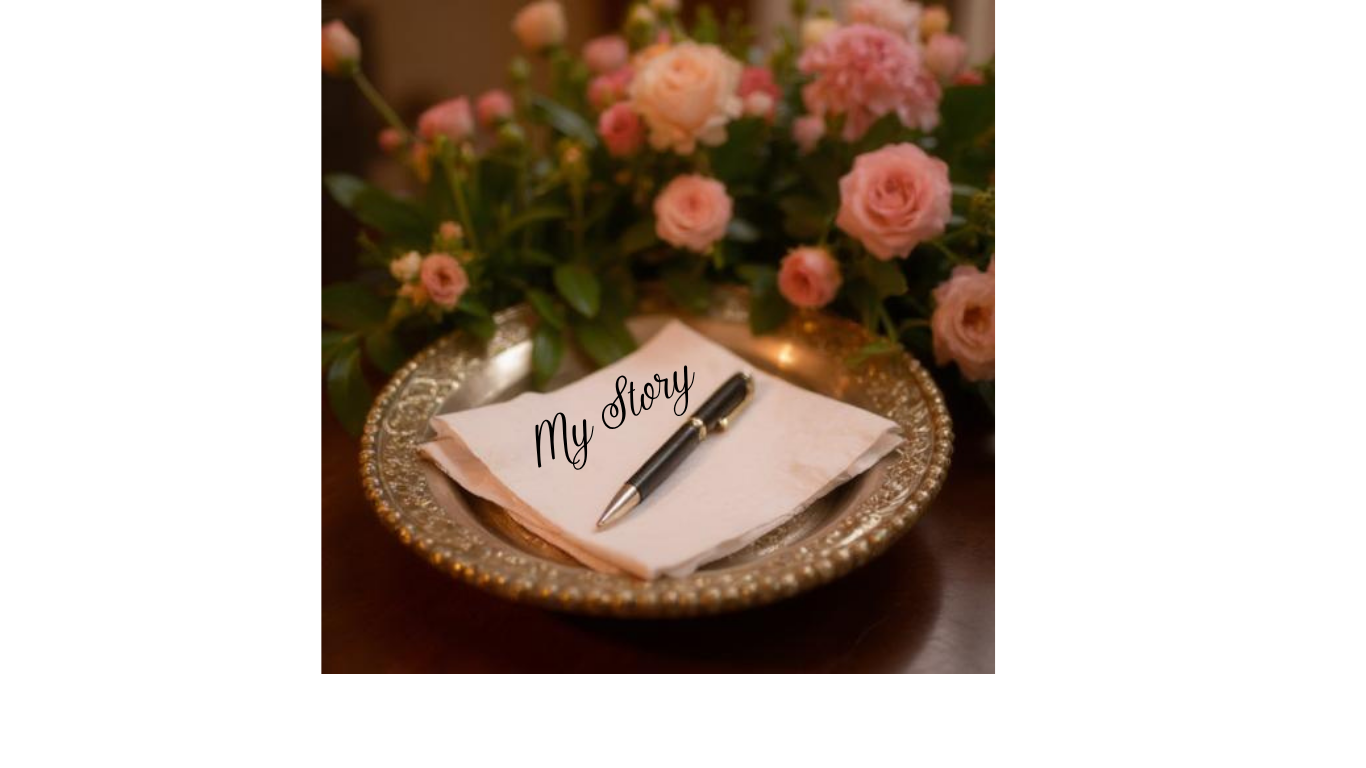
What if I tithed on my story?

What if I gave 10 %?

What if I left out the hard stuff

and only told blessing He’d sent?

How many pages to cover

the wonderful things God has done?

So many times Jesus saved me.

To His credit my battles are won.

How can I tell of His wonders?

For most I was unaware.

How many times He surprised me.

I’ve stories and plenty to spare.

But who would sit still just to listen?

And how do I form the words best.

Do I write it or speak it or paint it?

Are you sure, Lord? Is this some sort of test?

My story is so complicated.

No good comes for quite a long time.

A big part of my story is ugly.

Those years had no reason or rhyme.

And if I should tithe on my story,

is it good to expose my worst pain?

I’m forgiving, forgiven and changing.

He’s wiped my sin clean—every stain.

So, how does one “tithe” on a story?

Instead, I’ll tithe work of my hands?

My story is tangled with others

who likely will misunderstand.

Jesus called me to sit and be quiet.

He carried my thoughts to a day

when hurt and betrayal consumed me.

Depleted. Hope driven away.

“Just start where you woke on that morning.

This first draft is written for Me.

The whole of the story between us.

No judgmental eyes need to see.

Let’s cover those things you remember.

Don’t sanitize facts or save face.

Name names. Be honest. Don’t edit.

Just write, and don’t yet erase.

Here’s the thing that matters ‘bout tithing.

Give all and I’ll use what is best.

!0 % is only a number.

That 90 % we’ll invest.”

So, I did as the Lord had instructed,

and I wrote with 100 %.

He was there, even wrote along with me.

Time flew, every minute well spent.

A lot was told only to Jesus.

A tell-all was never the plan.

Confessions and anger and anguish,

He listened as only He can.

An editor cleaned up some errors,

The public has had a good peek.

Now I’ve opened my life and my story

to questioning and to critique.

Not once has that tithe turned to bite me.

Not yet has there been a regret.

Whatever my heart gives to Jesus,

He will use it and never forget.

Comments closed

Sins of Omission?

Have you ever been ignored? Disregarded? Overlooked? Neglected? Discounted? Or worse … snubbed? Each of these synonyms points to a different brand of insult and offence.

Can anyone make it to adulthood without experiencing all of these things?  Be honest. Has any of us made it through the fifth grade without committing each of these offences?

There’s another synonym that’s not used often these days. Flout. It means to disobey, defy, scorn, spurn, scoff, or contravene and even to violate. To flout means to refuse or reject authority. If you’ve ever lived with a two-year-old, you can picture these things. Most of us have seen it in teenagers. All of us, if we’re honest, have committed these offences.

It boggles my mind and wounds my heart to think that I would turn my back on the Lord’s promises and instruction. But how many times have I stumbled and fallen head first, heart first, into sin? Most often, it’s a sin of omission. I assume God will wait while I’m forgetting, or making a promise and then “finding” excuses.

“Trust in the Lord with all your heart, and do not rely on your own understanding; in all your ways know [acknowledge] him, and he will make your paths straight.” (Proverbs 3:5-6, CSB).

Each phrase of that passage is worthy of study, but the word of the week is “acknowledge.” So what does it mean to acknowledge Him in all my ways?

Acknowledgement is not only an attitude and posture. It’s an action. Lip service won’t do. It means submission when we think we can do better. We might have been educated and trained to do it differently. It means to lean into the leadership of the Holy Spirit and abandon old notions. It means to set aside human logic sometimes, and to risk an earthly comfort or pleasure for a yet-to-be-seen, forever treasure.

All my ways means all my methods, emotions and relationships. All of my dreams and plans. My finances and my schedule! My accomplishments. My calling. To acknowledge Him means to give up control and leave my outcomes to His authority. All my ways means that I must be alert, but I can rest and not worry. Is that even humanly possible? Of course, I know the answer.

I like the chorus to the Casting Crowns song:

“Not because of who I am,

But because of what you’ve done.

Not because of what I’ve done,

But because of who you are.”

Yes, I do know Jesus … and trust Jesus. Still, there seems to be a great divide between ignoring or forgetting the words of the Lord and outright flouting Him. I’ve acted as though sins of omission, the sin of disregard, overlooking, neglecting or discounting what scripture teaches hurt less than what we call sins of commission, or the “thou shalt nots.”

I’ve been wrong. Sin is sin. I know I’ve avoided some awful consequences by avoiding the more public sins. Good for me? But how many blessings have I missed? How many treasures won’t I be able to appreciate because I didn’t acknowledge the Lord in “all my ways?”

How precious to know God loved me enough to go to the cross, not because of who I am, or because of what I’ve done—or haven’t done. He loves me because I am His, and He tells me that He is mine.

1 Comment

The Puzzle

If my life were a puzzle that came in a box,

with the pieces all scrambled and free.

Were the lid to be sealed and cellophaned,

would I like the picture of me?

Would my borders be laid down first of all,

never-minding what’s painted between?

The sheer joy and delight when two shapes connect.

Dare I hope for a beautiful scene?

Other stuff set aside. I’m committed.

Good puzzles take time and need space.

With the focus on me and my purpose,

I look forward to seeing the face.

Well, the hours and memories start growing.

I am building on sad yesterdays.

There’s a piece I wish had gone missing.

I’d replace it with flowered bouquets.

I question why some come together—

Why others whose color won’t fit.

I see my two viable options.

To keep working with patience or quit.

I imagine my life as that puzzle,

Not flat, laying helpless or still.

Not stealing my time or my table,

But needing God’s hand and His skill.

I can stubbornly force it together—

Be satisfied with crooked and bent.

I can choose to ignore the unfinished.

I can waste every effort I’ve spent.

But I gaze at the lid and the picture.

What I see is phenomenally sure.

It’s a picture of me with my Savior.

I am loved and each piece is secure.

1 Comment

Zeal

I entered the 70th decade of my life about six months ago, and it took about that long for the spiritual word of the week begin with the letter Z.

“Zeal.” I’m not feeling it. Zeal implies energy, even youth.

When I ponder on that word, however, I recognize my zeal for a good nap on Sunday afternoons. I am zealous for rest and peace and the simple kind of joy.

Lord, thank you for directing my zeal—age appropriately. I’d climb a mountain were the instructions clear and clearly from you. I’d drive across the country or fly to the ends of the earth should you require it, but you have required no such thing of me.

Isaiah was a gray-haired, old man, based on all the artwork, yet the Lord used him to pen these words: “… but those who trust in the LORD will renew their strength; they will soar on wings like eagles; they will run and not become weary, they will walk and not faint.” (Isaiah 40:31, CSB).

I am zealous for the brand of zeal Isaiah had. Just like Isaiah, there is no mission, task or good deed before me that the Lord himself did not provide.

My job for today is clear, and there’ll be no rest or peace until it’s done.  If I’m to feel the zeal, it will come after obedience. And that means I will visit my neighbor to deliver an invitation to celebrate the resurrection with me on Sunday. She mentioned how she used to go to church and “loved it.” But then didn’t respond to my first invitation. That’s a zeal buster … because I let it be.

If I had to choose between zeal and obedience, I think obedience should come first, but must I choose? Do I need zeal to obey, and doesn’t obedience to the Lord’s voice bring me zeal?

Why do I sit and contemplate “zeal,” when I can have it?

Friend, can we talk later? I’ve got to visit a neighbor. It’s urgent. Sunday is Resurrection day, and I’m not getting any younger.

Comments closed

Yearning

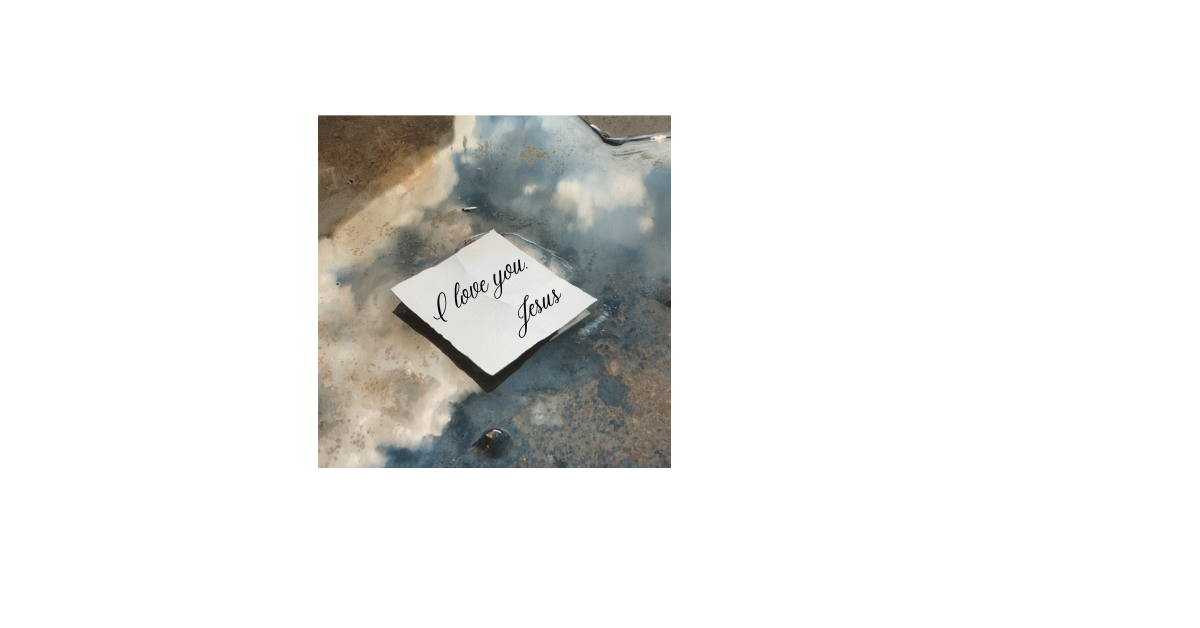
I yearn for my life to be the scrap of paper

where Jesus writes a love note.

I yearn to be like Jesus—

to treat everyone I meet with compassion and grace—

without sacrificing the truth.

I yearn for Jesus, when His will I’ve disobeyed,

to call me quickly to His side.

His discipline stings, but only for a while.

.

I yearn to have the Savior hear my prayer

and then speak.

His answers have never failed me, and won’t.

I yearn to put aside excuses …

to give my all without grudge or worry.

I yearn for Jesus, when I wake,

when I work, and at the end of the day.

But my yearning is weak.

Could my yearning be more intentional?

With heaven as home, I yearn to know

that loved ones will be there.

I yearn to follow, and I yearn to lead.

I yearn to be discipled and to disciple others.

I yearn for the joy of the Lord.

It IS my strength.

Am I accountable for my yearnings?

What I yearn for is a gift, not fully unwrapped.

Still, I yearn—for more.

Lord, please don’t take my yearnings from me.

Jesus, change me. Lead me. Push me.

I yearn to be that scrap of paper.

Write a love note on my life.

Sign it, Jesus, and make your signature plain.

I yearn to deliver it.

It would be a privilege, a blessing.

I would be pleased to deliver it—

with a word, with a hug or a smile,

with a helping hand, or with my tears.

This list of hungry souls is overwhelming me.

2 Comments

Vigilant Waiting

“The Lord is good to those who wait for Him, To the soul who seeks Him.” (Lamentations 3:25, NKJV).

It’s been two weeks now that I’ve meditated on the word VIGILANT—another word prompt writing assignment. We get a new word on Monday and are supposed to meditate on it some and then write and post before the week is gone.

I wrote a page and a half, but it was more about vigilantism than being vigilant. I didn’t delete the short manuscript. I’ll save it for another day. Surely, my time was not wasted, but I chased a rabbit and couldn’t seem to bring it home. Some writers would say that I wrote myself into a corner. But I’ve been vigilant about the assignment in other ways. The word came to mind as I read my Bible, prayed and went about doing everyday chores.

So now week two is almost gone, and the word WAIT was assigned on Monday. I haven’t been so vigilant. Tasks have distracted me.  I asked myself on Wednesday and again on Thursday, “What was the word this week.”

“Oh yeah,” I answered myself. “Wait.”

A question begs me. “Do I finish last week’s manuscript, or forget about it and work on this week’s word?”

How about a meditation that combines the two words?

Be vigilant about waiting.

“The Lord is good to those who wait for him …” Lamentations 3:25 tells me that waiting is worth it.

I’m the mom of a prodigal, and I’m waiting for her to come home. But waiting is hard when you want to do something. I feel the need to search for her. To find her, and to make a way for us to reconcile and reunite. Waiting is hard. It’s been nearly ten years and only recently have I been able to write and share publicly about being mom to a prodigal.

Some Bible translations use the word hope instead of wait. I like that word better, but it still boils down to waiting. Other translations equate faith with waiting. Faith is a great word … a favorite word … maybe a more spiritual word, but it’s still waiting.

“… To the soul who seeks Him.”

The last part of the verse clarifies what waiting ought to look like. Waiting is NOT sitting around being idle. Waiting is not passive acceptance or settling. It’s work!

It’s also trusting that God desires a right outcome and that He is doing the heavy lifting.

I remember the day she was born almost like it was yesterday. The pains started right before the alarm clock would have gone off. It was her due date. Right on time. Not making me wait one more day.

We’d had a terrible winter storm the week before, but the roads were clear, and the sun came out on the way to the hospital. As the labor pains intensified, I had a strange satisfaction in that my labor would be rewarded with a sweet, newly-born baby before the day was over.

I recall the sights and sounds and smells of the delivery room, and as I write this, I recall the forceps delivery. Enough of that!

My husband was proud to have slipped a pink, size 3T sweater into my hospital bag without me knowing it, and then insisted she would wear it home. Size 3T! Not my plan, but Januarys are cold and a newborn needs an extra layer of protection. A wise nurse helped me to make it work and to support a daddy’s pride.

Paula was a much anticipated and beautiful baby. We had waited, and I had been vigilant about preparing our home to receive her. Everything was ready! God’s timing was perfect.

If I read from Lamentations back then, it was probably to prepare for a lesson. I didn’t study it or stay in the book any longer than necessary. It’s different today. Relevant.

Nine months of waiting for what had been promised paid off back then. Almost ten years now, and I’m still hoping for her to come home. I’m being vigilant in my waiting.

“The Lord is good to those who wait for Him, To the soul who seeks Him.”

I am waiting for the Lord and finding myself satisfied in His goodness. Of course, I ask for Him to hurry and for lots of other things—to keep her safe and help her feel and remember how loved she is. I pray that her heart has not grown too cold or broken. I pray for God to do something. I pray for my pain to end, but strangely, after each spell of intense sorrow is over, and I notice that my world has not collapsed, I sense a deep satisfaction—a comfort and encouragement to keep laboring.

Well-meaning people give me advice. They can’t understand. God isn’t urging me to do something. He’s urging me to wait and to be vigilant about it.

I chased another rabbit all through the scripture this past week. My daily reading plan fell apart, and I was still undecided about that “perfect” verse for combining the words vigilant and wait. I’m not saying it isn’t there. I’m saying I didn’t find it … until this morning when God sent a rabbit to play in our back yard. Silly rabbit. He thinks it is spring already.

‘“The Lord is my portion,” says my soul,

“Therefore I hope in Him!”

The Lord is good to those who wait for Him,

To the soul who seeks Him.

It is good that one should hope and wait quietly

For the salvation of the Lord.’”

(Lamentations 3:24-26, NKJV).

1 Comment

Unity

“I think a thorough discussion of unity should include God’s purpose in giving us spiritual gifts.”

But someone will say, “That’s too much content for our agenda, which is limited to the topic of unity.”

And yet another member of the group asks, “Which set of spiritual gifts would you have us include?”

Then, there is always someone who wants to socialize and share a plate of brownies while the other side of the table has an appointment with their television at home. At the very least, they’d rather be sitting in something other than a folding chair.

And unity just – got – complicated. The meeting we thought would last for thirty minutes? The theme we thought so important? It happens.

The person with the gift of administration might be quick to dismiss an idea that requires faith. The person with the gift of faith might disregard the one responsible for smaller details. The person with the gift of discernment wants to avoid trouble, but needs patience with those whose starting point is mercy. The gift of leadership keeps that person on edge sometimes, making sure that everyone else stays on topic and has signed on the appropriate line. And not everyone in the group with wisdom knows how and when to share it. Doers and givers get things done, but they forget to disciple their replacements, and then wonder why they are “abused.” The encouragers? They can overdo it, but we’ve so much to learn from them. And we forget that preachers and teachers are not always assigned a pulpit or a classroom.

We tend to have tunnel vision when it comes to practicing and caring for our own spiritual gift, which leads to difficulty appreciating what God has given to others. It can be hard to see where other Christians are coming from, and we’ve placed barriers to resist going where they feel led to take us. These spiritual gifts … are spiritual … for God’s purpose kind of spiritual. Too often, however, we attach a worldly label to a fellow believer and consider unity impossible. We work around and through the disunity. It’s quick and seems to satisfy in the moment. It’s not a male/female thing at all, but it sure does seem that for every gift that comes from Mars, there’s an opposing one that hails from Venus. We forget that conformity is not transformation and uniformity it not unity.

We were created by the same God who knew what he was doing when with our spiritual birth he gave us individual spiritual gifts.  He gave the same commands to each of us for the benefit of his kingdom. Then, he put us together, under the same steeple!

“Just as each one has received a gift, use it to serve others, as good stewards of the varied grace of God.” (1 Peter 4:10, CSB).

The spiritual gifts are not talents we can develop, but gifts to be discovered, polished and shared. I’ve heard them called motivational gifts. I like that modifier because when we recognize our own motivation, whether it’s to preach, teach, administrate, lead, serve, be generous, encourage or show compassion, our gift is likely to shine and give God glory. And when we take the time and offer grace and space for a brother or sister in Christ to express their motivation, we can be blessed with a complimentary partner.

“Iron sharpens iron, and one person sharpens another.” (Proverbs 27:17, CSB).

In his book S.H.A.P.E: Finding & Fulfilling Your Unique Purpose for Life, Erik Rees offers a brief discussion of four common traps that Satan sets for us where it comes to the use of our spiritual gifts.

  1. The trap of comparison: Each gift is an individual “masterpiece,” but we can get tangled by thoughts and comparisons of things like numbers, abilities and being seen when none of those things adds to or subtracts from our giftedness.
  2. The trap of projection: We assign our expectations to others, and do harm to a ministry when we apply standards of performance based on what others are doing or what we have done. Just as troublesome, we fail to explore the source of the conflict—together.
  3. The trap of rejection: Christians can get discouraged when exercising their spiritual gift gets difficult. That can lead to rejecting their giftedness. The truth? Following Jesus isn’t always easy. Doing things his way, using a spiritual gift according to his purpose works out well for us, but payday is seldom today, and growing pains really hurt!
  4. The trap of deception: Personality, personal desires, and even inherited talents and generational expectations can cause us to believe we have certain spiritual gifts that, in fact, God did not give us. That’s a problem because that trap will hold us when we would otherwise be exercising our true spiritual gift. Seven members of a praise band might all be quite talented musically, and the best of praise bands will typically have a variety of instruments and a variety of spiritual gifts. Music is the talent … the tool, not to be confused with their spiritual or motivational gifting. There’s trouble in paradise when that’s misunderstood.

Yes, I think a thorough discussion of unity will include some mention of the spiritual gifts.

2 Comments

Rooted

I’m rooted.

I found my forever home.

My strength

Is not my own.

I’m both planted … and sent.

It’s winter.

I want so much to see green.

Dead leaves

Fall on brown grass.

I hope. Wait for what comes next.

Mystery.

Underground. Planning.  Thriving.

God works

He tells me so.

He covers me. Holds me.

Others pray.

I’ve need and dark circumstance.

I trust

I’m not alone.

I stay near the water.

Blue skies hint.

I am confident indeed.

No fear

Animals play.

This is but a season.

I’m rooted.

Planted by living water.

Thank God

I’ll not be moved.

No matter where he sends me.

“The person who trusts in the Lord, whose confidence indeed is the Lord, is blessed. He will be like a tree planted by water: it sends its roots out toward a stream, it doesn’t fear when heat comes, and its foliage remains green. It will not worry in a year of drought
or cease producing fruit.” (Jeremiah 17:7-8, CSB).

(To Amber, This was inspired by you, written for you, and rooted in the love that surrounds you. You are truly a woman that God both planted and sent. Prayers for you, my sister in Christ. Rita K.)

Comments closed